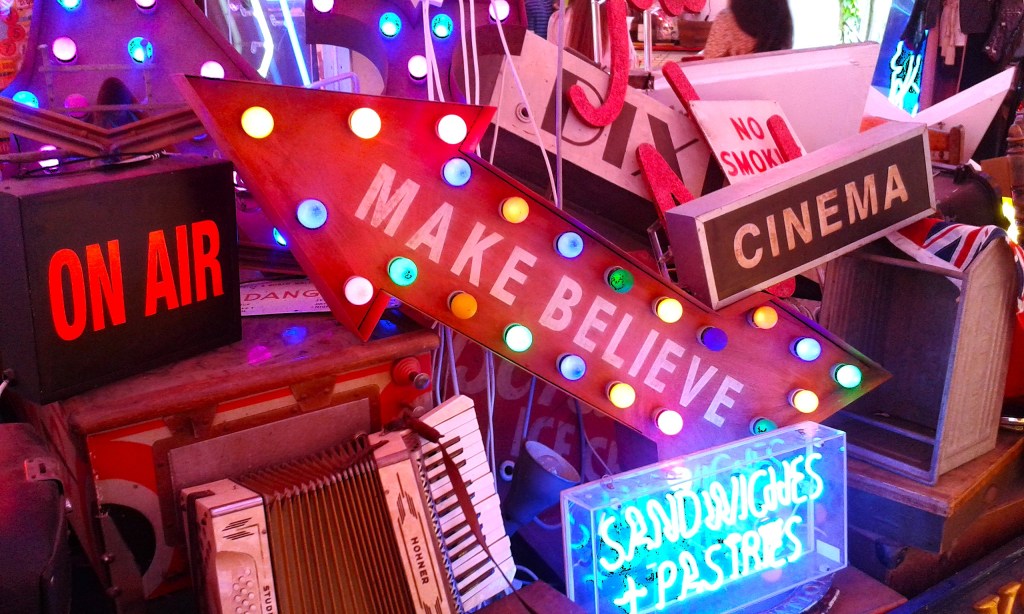
This collection explores how we make meaning through music, media, story, and self. It examines how culture shapes identity, emotion, and social life — from ancient texts to pop icons, longing to resistance.
Moving between personal reflection and critical inquiry, these essays trace the tensions and transformations that define human experience. They hold space for beauty, contradiction, and the stories we tell to survive, connect, and become.
Jump to Section: Culture in Context | Myth & Power | Desire & Transformation | Memory & Place
Culture in Context
Essays exploring modern culture and society— including the interplay of pop culture, community, and politics. These pieces consider how music, media, and narratives help us create and influence our identity, our histories and our societies.
Britpop to Brexit: Popular Music and the Neoliberal Project in the UK
Winner of the Michael Fellman Graduate Prize (Simon Fraser University) for best essay or thesis

This prize-winning essay traces the rise and fall of Britpop as a voice of working-class resistance in 1990s Britain. Co-opted by New Labour’s image politics and neoliberalism’s advance, its unheeded warnings echo in the resentments that fuelled Brexit. From Pulp to policy, the piece links cultural expression to political consequence.
Covid-19: living the blues

Reflective and elegiac, this essay traces the quiet grief of pandemic isolation through the communal power of live blues. A tribute to Vancouver’s Railway Club and the restorative spirit of music, first published in The Ormsby Review.
Myth, Tragedy & Power
Feminist, political, and moral readings of classical texts. These interrogate justice, fate, resistance, and the tension between personal agency and social order.
Medea: slayer of social oppression and patriarchy
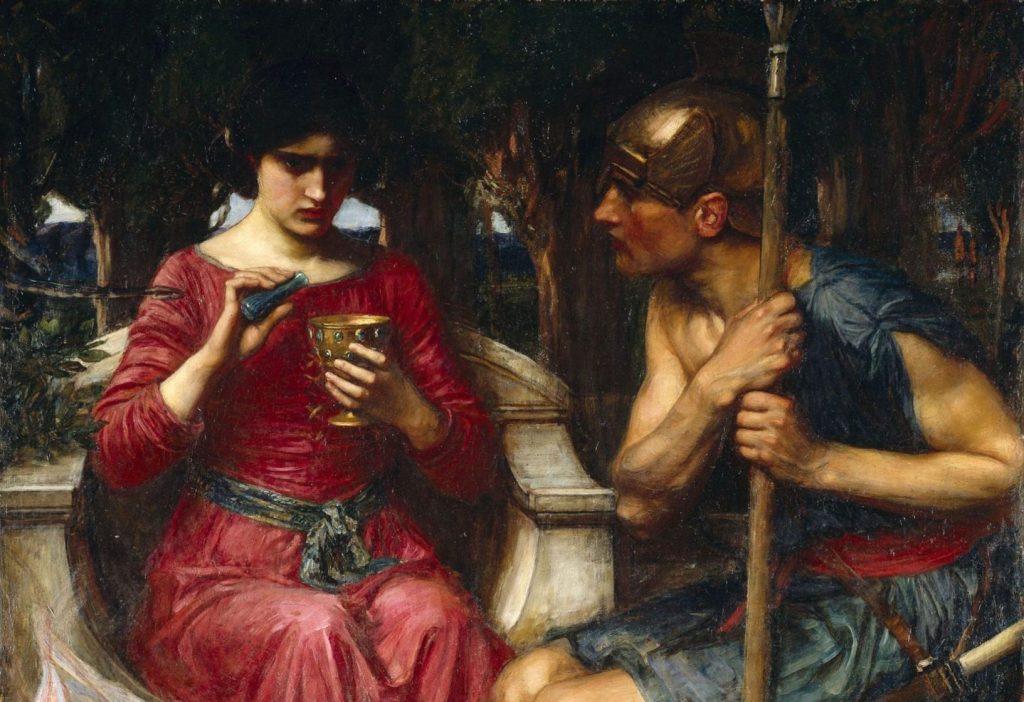
A fierce essay on Euripides’ Medea as both victim and agent of resistance. Racialized, gendered, and betrayed, she reclaims power through vengeance—raising the question: who is truly at fault?
Antigone’s Anguish: The Devastation of Rule Without Mercy
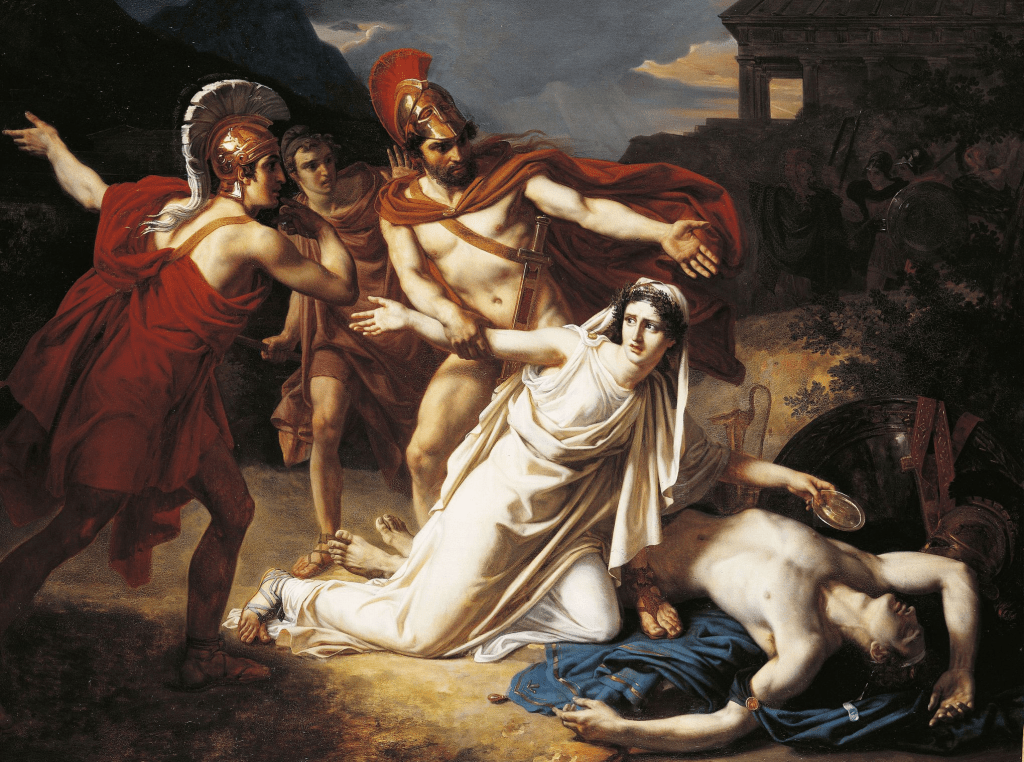
Tyranny, family loyalty, and moral conviction in Sophocles’ Antigone raise enduring questions about leadership and justice. This essay explores state, power and the folly of governance lacking dialogue or compassion.
Oresteia and the search for justice

Aeschylus’ Oresteia traces a violent cycle of revenge evolving into civil justice. It explores fate, free will, and the shift from brutal retribution to reasoned judgment. It raises timeless questions about power, morality, and social order.
To be themselves: Gender and justice in the ancient Greek canon

This essay examines how ancient Greek drama challenges gender roles and justice, contrasting patriarchal power with feminine agency. From violent revenge to emerging civil law, gender expectations are subverted in the pursuit of authentic feminine agency.
Desire & Transformation
Explorations of love, longing, suffering, and grace — through literature, philosophy, and the personal lens.
Scraps of love and the sweetness of longing

A lyrical reflection on tenderness, memory, and impermanence. Fragmented but full, this piece traces how small moments — letters, glances, gestures — shape the ache and beauty of love.
Toward a Higher Love: On Longing, Beauty and Becoming

The philosophy of Plato and poetry of Sappho frame an exploration of beauty, desire, and love. From sensual longing to spiritual aspiration, love is urgent, transcendent, all-embracing. Through it, we become more fully embodied — and more fully divine.
Of Mercy & Music: Notes Toward Grace
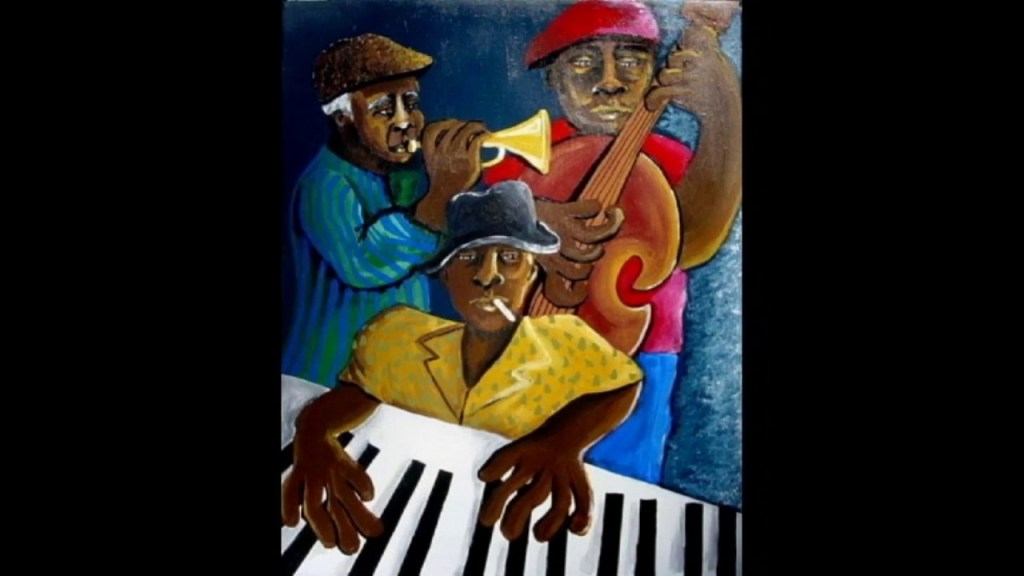
This essay pairs James Baldwin’s Sonny’s Blues and Anne Carson’s Autobiography of Red to explore emotional expression, suffering, and transformation. It traces the fragility of grace — from the improvisational truths of jazz to the fractured poetics of myth.
On pleasure: The Epicurean Life

Lucretius’ On the Nature of Things and Epicurean philosophy rejected superstition in favour of science. It advocates for the pursuit of pleasure through wisdom and tranquility in this earthly life. It urges us to live like the song says: don’t worry, be happy.
Memory & Place
Pieces exploring how history and culture shape urban life. Snapshots of London life during a period of housesitting, reflect on place, belonging, and impermanence in the everyday.
A brief sojourn in London’s East End

A stay in Mile End weaves together the rhythms of house sitting with the rich textures of East London life. Cheeky cats, post-war rebuilds, Victoria Park, and the Old Vic inform curiosity, culture, and finding home in London’s ever-changing city.
Hustling for home

Part memoir, part how-to, this post traces an unconventional path shaped by curiosity, serendipity, and resourcefulness. House sitting becomes a lens on trust, precarity, and the search for space in a global city.
So long for now, South London
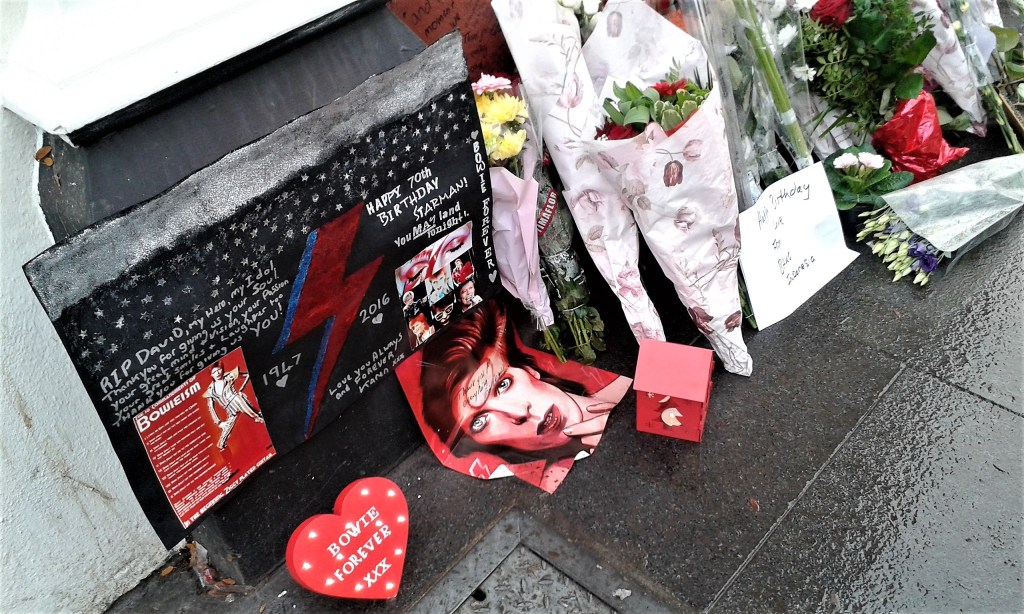
A fond goodbye to a fleeting home. This essay reflects on movement and memory. It moves between jobs, boroughs, and neighbours — capturing the texture of everyday life in an ever-shifting city.
London: City of lights

A festive winter walk through London’s twinkling cityscape. Carnaby Street, Covent Garden, Soho and more bring levity and luminosity to London’s dark winters. Light becomes a lens on season and spirit, bringing everyday culture alive in the dark.
For deeper explorations of social and civic themes, see Society & Place.
 Teresa Stolarskyj