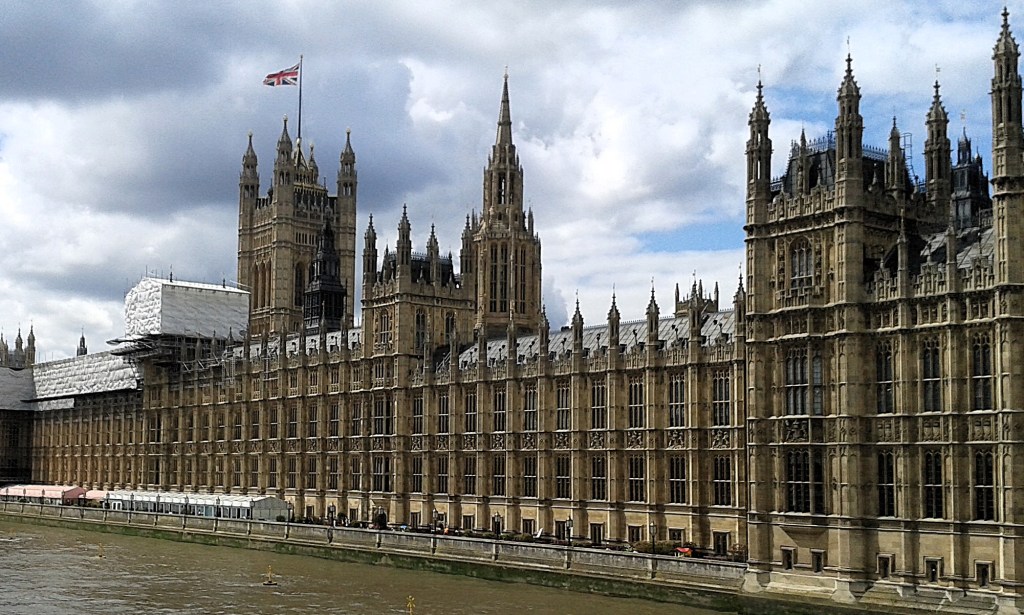
This collection brings together essays and reflections that delve into the relationships between governance, urban change, and cultural memory. Civic accountability, spatial politics, diaspora, and ethics shape the context we live in. This context of power and place influences our sense of identity and belonging.
Drawing on experiences across civic, institutional, and cultural settings, these pieces are infused with literature, history, and philosophy. They offer insight into the forces shaping our cities, societies, and selves today.
Jump to Section: Civic Accountability | Urban Change | Diaspora | Civic Ethics
Civic Accountability
Loafers Lodge: Public Sector Accountability in the Wake of a Disaster
A fatal 2023 fire at a Wellington boarding house exposed deep failures in housing, regulation, and public oversight. Written while serving as Government Accountability Advisor at New Zealand’s housing ministry — and as a Master’s student at Victoria University of Wellington — this essay asks:

Who is accountable when preventable tragedies occur — and what must change to restore public trust?
Wellington, NZ | Long-form policy essay
Themes: public governance, housing injustice, crisis response, civic trust
I also led the writing and production of HUD’s first in-house Annual Report — read it here.
Urban Change & Spatial Politics
Essays on how cities are shaped — and reshaped — by power, policy, and memory.
Things (Continue to) Fall Apart
A modernist photo essay and video inspired by Things Fall Apart.
With London’s Elephant and Castle Mall as allegory, this piece explores capitalist displacement and the slow violence of urban redevelopment. It blends literary critique, personal observation, and cultural memory to ask:

what is lost when the places that hold us are erased?
London, UK | Essay + short film
Themes: gentrification, belonging, memory, displacement
See also: A Paean to the Mall at Elephant & Castle, the essay which inspired this piece.
A Paean to the Mall at Elephant & Castle
A layered, sensory meditation on urban regeneration, nostalgia, and the politics of public space.
Part love letter, part lament, this essay was written while living in South London. Elephant & Castle Mall, both fascinating and a relic of modernist planning, had become a place of layered community life. Field notes, historical fragments, and personal reflection contemplate the authentic use of urban space, and displacement by gentrification.
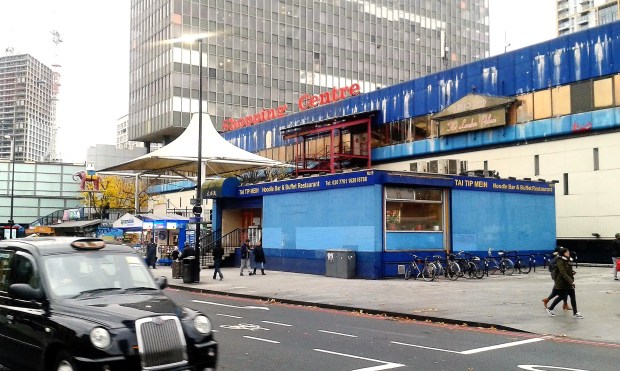
What makes a place worth keeping — and who gets to decide?
London, UK | Essay
Themes: urban change, belonging, displacement, everyday architecture, cultural memory
See also: Things (Continue) to Fall Apart – a modernist retelling inspired by this essay.
On Power, Profit, and the Architecture of Displacement
How modernist ideals, speculative development, and urban design intersect to shape who the city serves — and who it excludes. Drawing on architecture, literature, and urban theory, it explores the gap between beauty and belonging in an increasingly commodified landscape.

What happens when place-making becomes a tool of erasure?
Vancouver (and beyond) | Short Commentary
Themes: urban ideology, displacement, architecture, speculative development
Diaspora & Social Memory
Reflections on how identity, history, and cultural memory shape who we are and where we belong.
Ruins and Reckonings: On Identity, Memory, and Belonging in Rome
Rome is a city of layers — myth, empire, beauty, decay, and rebirth. This essay explores how its symbolic weight shapes ideas of identity, memory, and cultural inheritance. As an allegory, it invites reflection on our relationship with the past and what that means for the future.

Life is change. How do you mediate your identity in its wake?
Rome (from afar) | Essay
Themes: cultural identity, memory, symbolism, classical inheritance, place and self
In Pursuit of Heritage and History
What does heritage mean? This reflection explores identity, belonging, and the evolving meaning of culture across generations and geographies.

How do we weave past and present into self?
Glasgow (and beyond) | Reflection
Themes: heritage, identity, diaspora, cultural adaptation, belonging
Civic Ethics & Governance
Reflections on leadership, ethics, and how power shapes civic life.
Leading wisely: how benevolent governance can help society flourish
Classical philosophy meets public policy — exploring how virtue, wisdom, and social good help societies thrive. In an age of technocracy and control, what does it mean to govern with moral imagination?
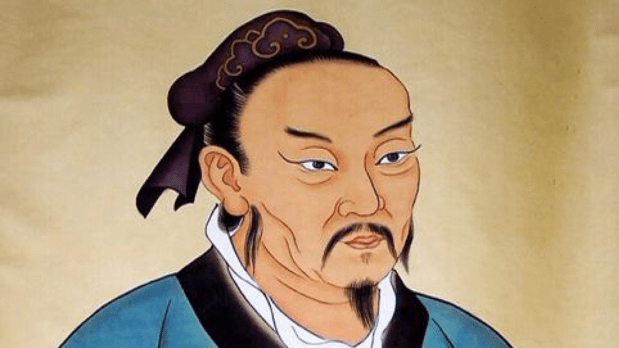
What if power were exercised with the well-being of all in mind?
Across traditions | Reflection
Themes: civic ethics, leadership, benevolence, classical philosophy, public good
Friend or enemy: Schmitt’s specious dichotomy
Carl Schmitt’s infamous friend–enemy distinction continues to haunt modern politics. This critique of his framing of power, legitimacy, and exclusion reflects on the cost of politics through conflict.
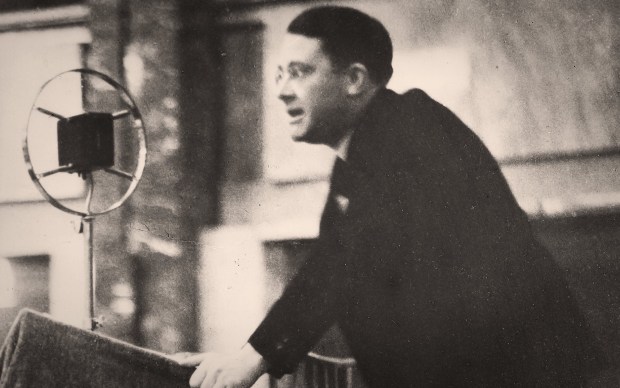
Can democracy survive when belonging is framed as a threat?
Germany (via theory) | Reflection
Themes: political philosophy, legitimacy, authoritarianism, power
Human Flourishing: Aristotle on How to Live Your Best Life
This reflection explores Aristotle’s idea of eudaimonia — a life of purpose, reason, and virtue. Far from a self-help slogan, flourishing is a lifelong practice of becoming who we are meant to be, through ethical action and thoughtful living
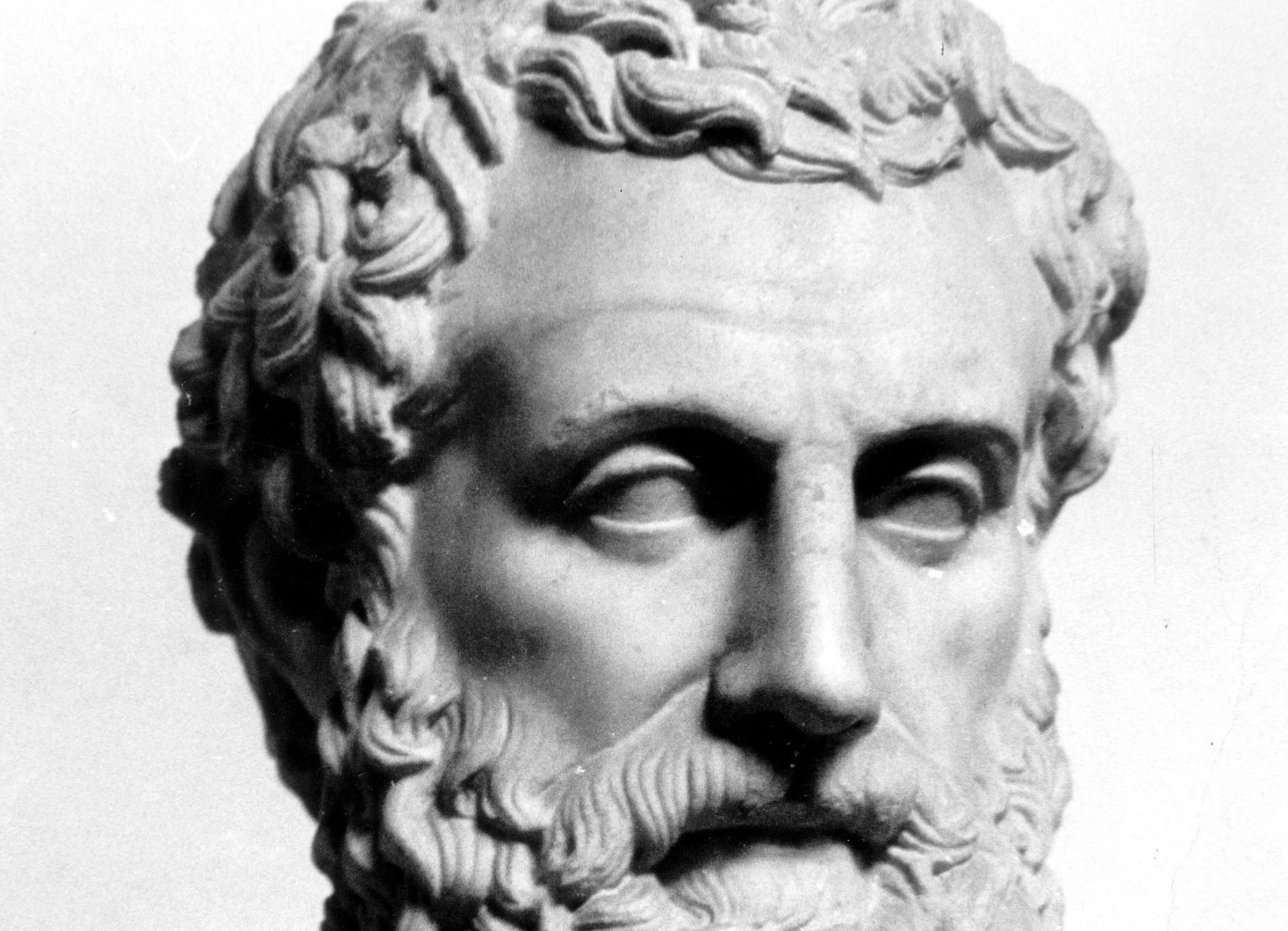
What does it mean to live well — not just for yourself, but for the world?
Ancient Greece (and everywhere) | Reflection
Themes: virtue ethics, purpose, classical philosophy, flourishing, moral life
 Teresa Stolarskyj